TL;DR
A hidden water leak rarely shows itself directly — instead it shows up as a higher-than-usual water bill, a patch of carpet or flooring that never quite dries out, or a faint sound of running water when every tap in the house is off. A few simple checks with your water meter and stopcock can tell you whether a leak is likely before you arrange anyone to visit. If those checks point to a leak you can't locate yourself, request a fixed-price quote online and we'll bring the right equipment to find it without unnecessary disruption.
Why Hidden Leaks Are Worth Taking Seriously
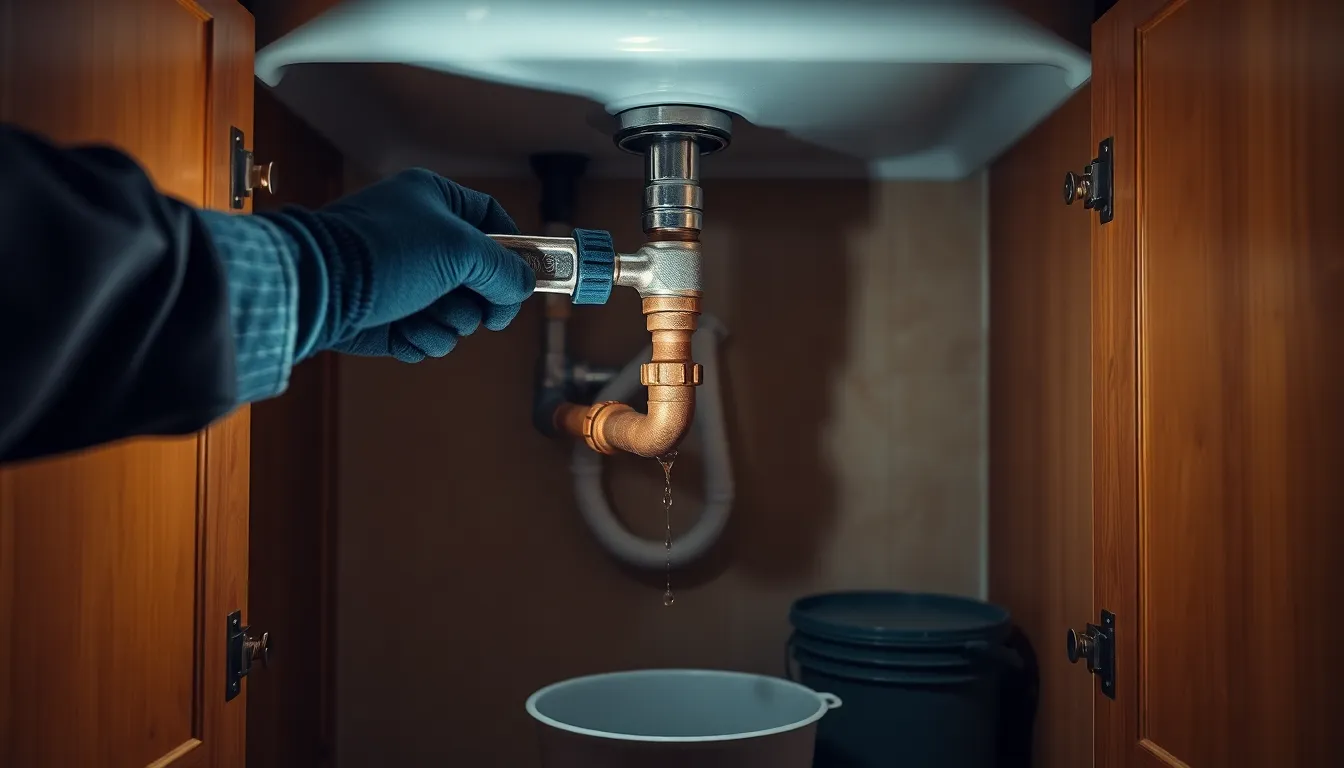
A leak you can see — a dripping tap, a visibly wet pipe under the sink — is inconvenient but straightforward. A hidden leak, running under a floor, inside a wall cavity, or in a buried supply pipe, is a different problem entirely, because the damage keeps happening quietly for weeks or months before it becomes obvious. Left unaddressed, it can lead to damp, mould, and eventually structural damage to timber or plasterwork, on top of paying for water that's doing nothing but disappearing.
Where Leaks Commonly Hide
In Sunderland's mix of housing stock, hidden leaks tend to turn up in a few predictable places. Under-floor pipework in older solid-wall terraces is one, particularly where boards have been lifted and relaid over the years without much scrutiny of what's underneath. Behind tiled bathroom walls is another common spot, where a failed shower seal or a hairline crack in a supply pipe can leak for a long time before staining becomes visible through the tile grout. Buried supply pipes running from the property boundary to the house are a third, and these are often the hardest to detect without specialist equipment because there's no visible surface to inspect at all.
Simple Checks You Can Do Yourself
Before arranging for anyone to attend, two DIY checks can tell you a lot. First, the meter test: turn off every tap and appliance that uses water, note your water meter reading, then leave it for an hour or two without using any water at all. If the reading has moved, water is going somewhere. Second, the stopcock test: with the meter still, turn off your internal stopcock (not the one at the boundary) and check the meter again — if it's now still, the leak is inside your property; if it keeps moving, the leak is likely on the supply pipe between the meter and your stopcock.
Beyond the meter, keep an eye out for:
- A water bill that's noticeably higher than the same period last year, with no obvious change in usage
- Patches of damp, discolouration, or a musty smell that persist regardless of the weather
- A faint hissing or trickling sound audible when the house is otherwise quiet
- Warm patches on a floor if the leak is on a hot water pipe
When It's Worth Bringing In Acoustic and Thermal Detection
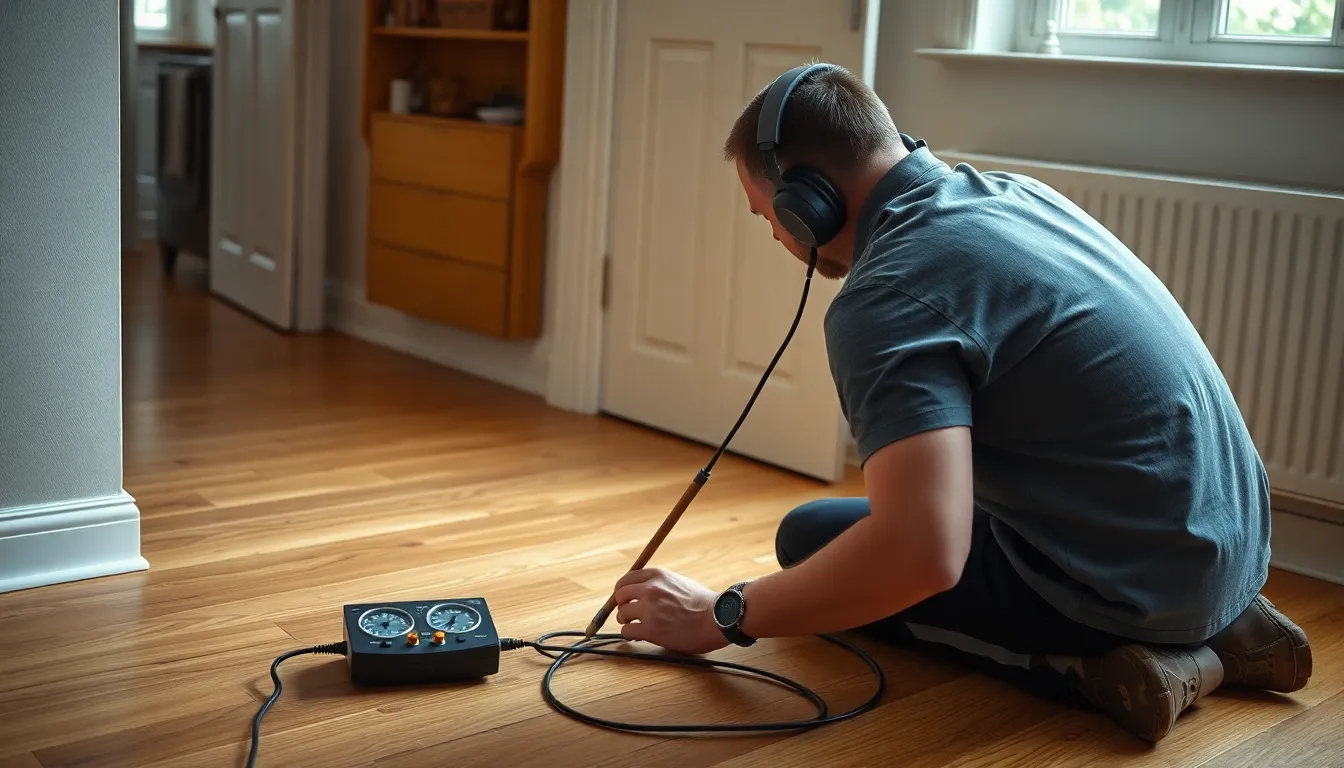
If your own checks point to a leak but you can't see or hear where it's actually coming from, that's exactly the point at which specialist leak detection equipment earns its keep. Acoustic listening equipment picks up the specific sound signature water makes escaping under pressure, even through solid floors and walls, letting an engineer narrow down a search area without opening anything up speculatively. For leaks in buried supply pipes between the boundary and the house, underground leak detection uses the same acoustic principles combined with ground-tracing equipment to locate the leak to within a small margin before any digging starts.
Sunderland's older streets — including terraces around Hetton-le-Hole and similar Victorian and early-20th-century developments across Tyne & Wear — were built with plumbing runs and joint types that have simply had more time to fail than a modern installation. That doesn't mean every older home has a hidden leak, but it does mean symptoms like a rising bill or unexplained damp are worth investigating sooner rather than later, since older pipework and fittings are statistically more likely to be the culprit than newer plastic push-fit systems.
Frequently Asked Questions
**How much water can a small hidden leak actually waste?** It varies hugely depending on pressure and pipe size, but even a small, continuous leak adds up meaningfully over weeks — which is exactly why water companies, including Northumbrian Water, run ongoing leak-awareness campaigns encouraging customers to check their meter periodically.
**Will finding the leak mean my floor or wall gets torn up?** Not necessarily. The purpose of acoustic and thermal detection is to narrow the search to a small, specific area first, so any opening-up work that follows is targeted rather than exploratory.
**What's the difference between a leak on my side and the water company's side?** Broadly, anything from your internal stopcock onward is your responsibility; the supply pipe up to the boundary is generally the water company's. The stopcock test above is a quick way to get a first indication of which side a leak is likely on.
Get the Leak Found Properly
If your checks suggest a leak but you can't pin down where it is, don't let it run any longer than it has to. Request a fixed-price quote online and we'll bring acoustic and thermal equipment to locate it accurately, then talk you through the water leak repair options once it's found. We cover Sunderland and the surrounding area, including Hetton-le-Hole.