A blocked drain rarely happens overnight. In most cases, there are warning signs that build up over weeks or even months before a complete blockage occurs. Recognising these signs early can help you avoid costly emergency callouts and potential water damage to your property.
1. Slow Draining Water
The most common early sign of a developing blockage is water that drains more slowly than usual. You might notice your sink takes longer to empty, or water pools around your feet in the shower. This typically indicates a partial blockage that will worsen over time.
2. Gurgling Sounds
If you hear gurgling noises coming from your drains, plughole, or toilet after flushing or emptying a sink, this suggests air is trapped in the pipes. This is often caused by a blockage restricting normal water flow and allowing air bubbles to form.
3. Unpleasant Odours
Bad smells coming from your drains are a clear indication that something is decomposing in your pipes. This could be food waste, grease buildup, or other organic matter that has become stuck and is now rotting.
4. Rising Water Levels in Toilets
If the water level in your toilet rises higher than normal when you flush, or if it takes a long time to return to the normal level, you likely have a blockage somewhere in the system. This is particularly concerning if it affects multiple toilets in your property.
5. Water Coming Back Up
When water starts coming back up through drains or toilets, you have a serious blockage that needs immediate attention. This can quickly lead to flooding and potential sewage backup into your home.
6. Multiple Blocked Fixtures
If more than one drain in your home is affected, the blockage is likely in the main sewer line rather than individual pipes. This requires professional equipment to diagnose and clear.
7. Damp Patches or Water Marks
Unexplained damp patches on walls or floors near drainage pipes could indicate a leak caused by pressure from a blockage. Left untreated, this can cause structural damage and mould growth.
What to Do Next
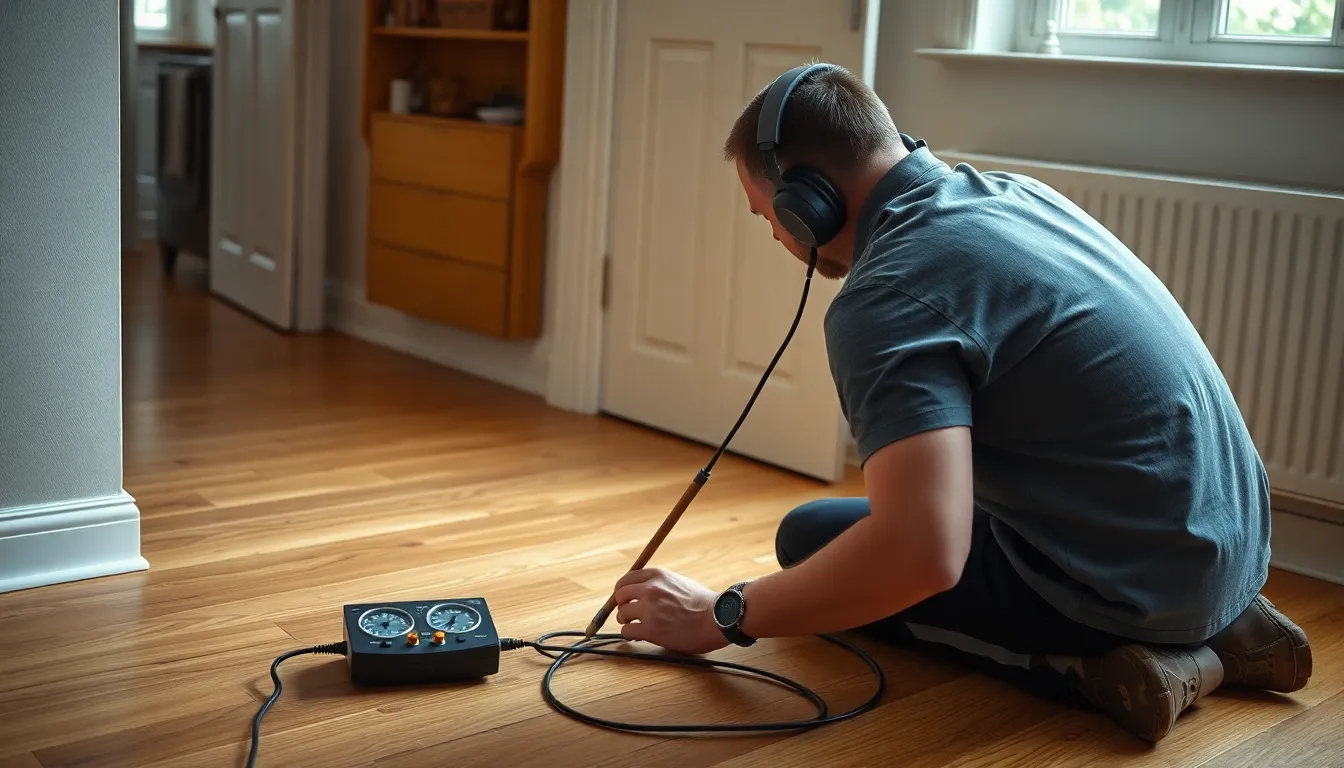
If you notice any of these warning signs, it's best to act quickly. While minor slow drainage might be resolved with a plunger, persistent issues usually require professional attention. Our team at Emergency Plumber In Sunderland can quickly diagnose the problem using CCTV drain surveys and clear blockages using high-pressure jetting.
If you're experiencing a complete blockage, our blocked drain specialists are available 24/7 across Sunderland and surrounding areas. For urgent situations, our emergency drain service guarantees a rapid response.
Request a no-obligation quote online to book an appointment.
Sunderland-Specific Drain Problems
Sunderland's housing stock creates particular drainage challenges that local homeowners should understand. Many older terraces in Hendon, Roker, and Pallion were built with Victorian-era clay pipes. However, clay degrades over decades, developing cracks and root entry points that modern plastic pipes resist.
In addition, properties built during the 1950s, 1960s, and 1970s — common across estates in Silksworth and Castletown — often have pitch fibre pipes. Pitch fibre absorbs moisture over time and deforms into an oval shape. As a result, water flow slows and blockages form more readily than in round-bore pipes.
Tree-root ingress is another common issue in Sunderland's older residential streets. Mature street trees, for example the limes and sycamores lining many Victorian terraces, extend roots in search of water. These roots work through joint gaps and hairline cracks, gradually filling pipes with fibrous growth.
Coastal exposure also plays a role. Sunderland's weather brings heavy rainfall events that can overwhelm surface-water gullies, particularly in low-lying areas near the River Wear. When gullies block with leaf debris and silt, water backs up onto paths and driveways before finding its way into drainage channels.
For all these reasons, a professional CCTV drain survey is the most reliable way to diagnose the true cause of a recurring blockage in a Sunderland property.
Sources & References
- Blockages and flooding — what to do — Northumbrian Water
- Report an environmental incident — Environment Agency / GOV.UK
- Water safety and flooding health advice — NHS